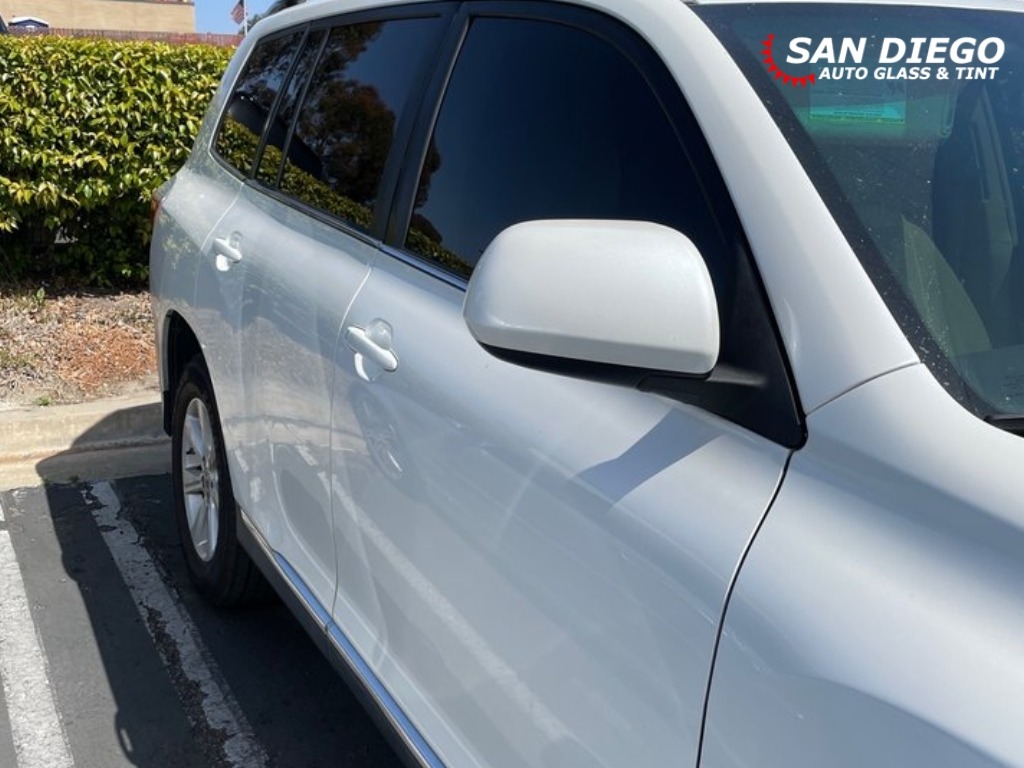
Few things are more frustrating than walking up to your vehicle and finding the rear window shattered. Once the initial shock wears off, the next concern is usually financial: Will insurance cover the rear window replacement, or will you have to pay for it yourself?
The good news is that many policies do provide coverage under the right circumstances, but not every claim is handled the same way. This guide breaks down what you need to know about rear window replacement, typical replacement costs, and how to decide whether filing an insurance claim is the right move.
What Causes a Rear Window to Need Replacement?
Unlike minor windshield chips, damage to a rear window often requires a complete replacement. Rear windows are made from tempered safety glass, which is designed to shatter into small, less dangerous pieces upon impact. Once broken, the glass cannot usually be repaired.
Some of the most common causes of rear window damage include:
- Flying rocks or road debris
- Vehicle break-ins or vandalism
- Hailstorms or falling tree branches
- Rear-end collisions
- Sudden temperature changes that stress weakened glass
Driving with a missing or broken rear window exposes your vehicle’s interior to weather, reduces visibility, and can compromise overall safety. Scheduling a replacement promptly helps restore your vehicle’s value, protection and functionality.
Does Car Insurance Cover Rear Window Replacement?
In many cases, yes, but it depends on the type of coverage you carry.
Comprehensive coverage is the policy most likely to cover rear window replacement. It generally applies when the damage results from events outside your control, such as vandalism, theft, falling objects, severe weather, or road debris.
Collision coverage may apply if the rear window was damaged during an accident involving another vehicle or object.
Liability coverage, however, typically does not pay for damage to your own vehicle. Its primary purpose is to cover damage you cause to others.
Even when your insurance covers the replacement, you’ll usually need to pay your deductible before your insurer covers the remaining cost. If your deductible is close to the replacement cost, paying out of pocket may be the more practical option.
According to the Insurance Information Institute, 80% of insured U.S. drivers purchase comprehensive coverage in addition to liability insurance. Comprehensive coverage generally protects against non-collision events such as theft, vandalism, falling objects, severe weather, and glass damage.
Knowing whether your policy includes comprehensive coverage before damage occurs can help you make faster decisions when filing a claim.
How Much Does It Cost to Replace a Rear Window of a Car?
The cost of replacing a rear window varies depending on several factors, but many drivers can expect to pay anywhere from $200 to more than $1,000 without insurance.
Several factors influence the final price, including:
- Vehicle make and model
- OEM versus aftermarket glass
- Built-in defrosters
- Integrated antennas or sensors
- Labor costs in your area
Luxury vehicles and newer models often require specialized glass with advanced features, increasing replacement costs.
Before filing an insurance claim, compare the estimated repair cost with your deductible. If the replacement costs only slightly more than your deductible, paying out of pocket could help you avoid a potential claim on your insurance history.
Obtaining estimates from reputable auto glass professionals can also help you make a well-informed decision.
Should You File an Insurance Claim or Pay Out of Pocket?
There’s no one-size-fits-all answer. The right choice depends on your specific situation. But you must consider these questions before filing a claim:
- Is the replacement cost significantly higher than your deductible?
- Does your policy include comprehensive coverage?
- Could filing a claim affect your future premiums?
- Do you need immediate replacement for safety reasons?
If your deductible is relatively low and the damage resulted from a covered event, filing a claim may reduce your overall expenses. On the other hand, if the repair cost is only slightly above your deductible, paying directly may be the simpler option.
When in doubt, contact your insurance provider before authorizing repairs. They can explain your coverage and help you understand your financial responsibility.
What Happens During the Insurance Claims Process?
Filing an insurance claim for a damaged rear window is often easier than many drivers expect, especially when you understand the required steps. The process generally includes the following steps.
- Document the damage by taking clear photos.
- Contact your insurance company to report the incident.
- Confirm your coverage and deductible.
- Schedule an appointment with an approved or preferred auto glass provider.
- Complete any required paperwork and pay your deductible if applicable.
Providing accurate information and responding promptly to requests from your insurer can help avoid unnecessary delays. Many auto glass companies also work directly with insurance providers, simplifying the process for customers.
Why You Shouldn’t Delay Rear Window Replacement
Delaying rear window replacement can lead to more than just inconvenience. A broken rear window leaves your vehicle vulnerable to rain, debris, theft, and further interior damage while reducing visibility and compromising overall driving safety.
Professional replacement restores your vehicle’s protection and ensures the new glass is properly installed and sealed. Experienced technicians also reconnect essential features, such as rear defrosters and integrated antennas, helping your vehicle perform as intended.
If your rear window has been damaged, San Diego Auto Glass & Tint provides professional rear window replacement using high-quality materials and skilled workmanship. Their experienced team helps drivers restore their vehicles quickly and safely, so they can get back on the road with confidence.
Wrapping Up
Understanding your insurance coverage before you need it can make rear window damage far less stressful. By knowing what your policy covers, comparing replacement costs with your deductible, and choosing a trusted professional for the job, you can make informed decisions that protect both your safety and your budget.